Complete Guide to Glass Shower Doors Replacement
When standard bathroom cleaning no longer restores your enclosure, or when doors stick, drag, and leak onto your bath mats, a glass shower doors replacement is usually the most efficient remedy. Over years of daily use, hardware wears down, metal tracks trap moisture, and glass surfaces can develop etched mineral deposits that plain vinegar or soap cannot remove.
Understanding when to repair hardware versus replacing the full glass assembly helps you avoid repeat service issues and unnecessary disruption. Whether you live in a historic home with settled walls or a modern condo, taking time to learn about modern glass shower doors, seal degradation, and frame corrosion will prepare you for a smooth bathroom upgrade. If you are experiencing minor operational issues, you might first evaluate whether Shower Door Repair Chicago is an option or if a total Replace Glass Shower Door service is necessary to restore your bathroom’s safety and appearance.
Signs You Need a Glass Shower Doors Replacement vs. Repair
Deciding whether to repair minor hardware components or arrange a complete glass shower door replacement comes down to structural integrity, safety, and functionality. Here are the primary indicators that it is time to replace your unit:
- Chipped or Cracked Tempered Glass: Tempered glass is safety glass designed under controlled internal tension. Any visible chip along the edge or stress crack across the face compromises the safety of the entire panel. Under temperature fluctuations or structural strain, cracked glass can break unexpectedly into small granules, creating an immediate safety risk that requires prompt replacement.
- Corroded Metal Frames: Older framed enclosures often feature aluminum or brass frames that corrode after years of moisture exposure. When rust and oxidation eat through metal channels, hardware loosens and mold accumulates beneath the tracks where normal cleaning tools cannot reach.
- Persistent Water Leakage: If water regularly escapes onto your bathroom floor despite replacing sweep seals or applying fresh silicone caulking, your opening may have shifted or the door assembly may be severely misaligned. Chronic water pooling damages subflooring and accelerates wood rot.
- Track Jumping and Hardware Failure: Shower doors that jump off rollers, bind along bottom tracks, or drag against the shower curb indicate worn internal mechanisms or bent metal tracks.
- Unhygienic Mold and Hard Water Etching: Over time, hard water minerals leach into microscopic pores in unprotected glass, causing permanent cloudiness or “etching.” When coupled with recurring black mold trapped deep inside rubber gaskets and metal tracks, replacement is often the only way to achieve a truly clean environment.
Glass-Only Replacement vs. Full Enclosure Swaps
Homeowners often ask whether they can replace only the glass sheets while leaving the existing aluminum frame untouched. A glass-only replacement is entirely feasible under specific conditions: the existing frame must be straight, structurally sound, free of heavy corrosion, and equipped with intact perimeter seals. In such cases, replacing broken or dated pattern glass while keeping the frame saves time and materials. This targeted panel replacement works well in retrofitting mid-century homes or standard tub configurations.
However, if your metal tracks are pitted, bent, or filled with stubborn grime, a full enclosure replacement is the superior choice. Swapping both frame and glass allows you to install modern, heavy-tempered panels with updated moisture barriers. If you are looking at broad geographical options or regional installation standards, local glass installation services across different regions showcase how full structural swaps elevate functionality across different structural styles.
Key Factors Affecting Replacement Scope
While individual project requirements vary based on design choices, several key technical factors influence the specifications for your new glass shower door:
- Glass Thickness: Thicker glass panels, such as 3/8-inch or 1/2-inch heavy tempered glass, require heavier structural support, specialized fabrication, and robust mounting hardware compared to basic 1/4-inch framed glass.
- Custom Fabrication: Standard stock sizes from retail stores are rigid. Custom-cut glass tailored to precise wall angles, bench cutouts, or out-of-square openings requires specialized shop fabrication.
- Hardware Finishes and Engineering: High-durability coatings like matte black, oil-rubbed bronze, or brushed brass require multi-stage plating processes to resist corrosion in high-humidity environments.
- Out-of-Plumb Adjustments: Bathrooms in older properties frequently feature walls that tilt outward or inward. Glass panels must be custom-beveled or supported by adjustable wall jambs to compensate for uneven surfaces without leaking.
- Installation Complexity: Heavy frameless glass panels require precise anchor points anchored directly into wall studs, while simple bypass sliding doors feature lightweight hardware that takes less time to align.
Shower Door Types, Glass Styles, and Hardware Options

Choosing the right door configuration, glass texture, and hardware design transforms your bathroom’s look while tailoring the unit to your daily routine. For a deeper breakdown of styles, check out our guide on Glass Shower Doors: A Comprehensive Guide to Types Comparison.
| Door Type | Frame Configuration | Typical Glass Thickness | Best Used For | Cleaning Effort |
|---|---|---|---|---|
| Framed | Full metal boundary around all glass edges | 1/8″ to 1/4″ | Standard tub openings and classic framed projects | Moderate (tracks require detailed cleaning) |
| Semi-Framed | Metal perimeter around opening; door panel edges frameless | 3/16″ to 1/4″ | Balancing a lighter frame with a modern look | Low to Moderate |
| Frameless | Minimal hardware (hinges, clamps, brackets) with no perimeter metal | 3/8″ to 1/2″ | Modern upgrades, maximum visual space | Very Low (no channels to trap grime) |
Main Types of Shower Doors
Understanding how different doors operate helps you select a style that accommodates your bathroom floor plan:
- Framed Shower Doors: These feature aluminum or metal framing around each individual panel. They provide strong structural support for thinner glass options and use full-length magnetic seals to prevent splashing.
- Semi-Frameless Enclosures: A top header track and side wall jambs hold the structure secure, but the swinging or sliding door glass itself lacks an outer metal border. This offers a sleeker appearance than full framing.
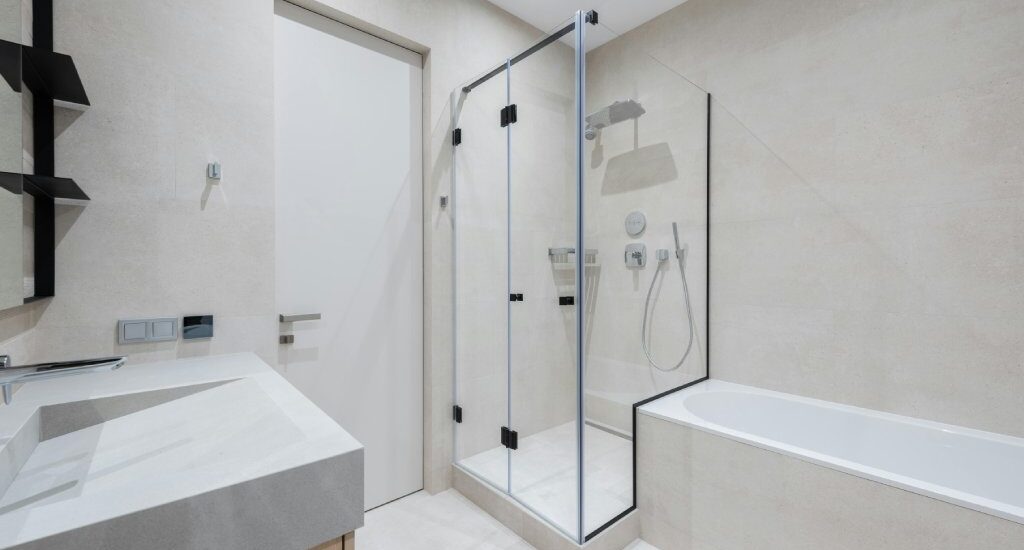
- Frameless Glass Enclosures: Utilizing heavy tempered glass secured by discrete wall brackets and heavy-duty hinges, frameless doors eliminate bulky aluminum outlines altogether.
- Hinged and Pivot Doors: Hinged doors mount directly to wall studs or fixed glass panels, swinging outward into the bathroom. Pivot doors feature top-and-bottom pin hinges that allow the door to rotate open smoothly.
- Sliding and Bypass Doors: Perfect for tight spaces where a swinging door would strike a vanity or toilet, Sliding Shower Doors roll along an overhead rail. Modern roller designs feature smooth ball bearings and exposed wheel aesthetics.
Upgrading to Frameless Glass Shower Doors Replacement
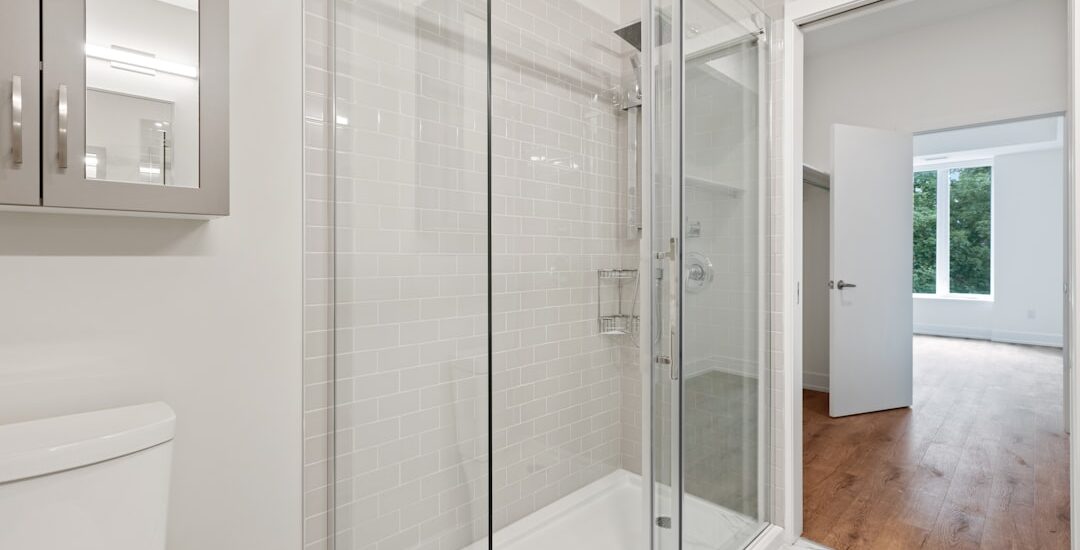
Transitioning from an old, yellowed framed shower door to a custom frameless enclosure is often considered the single most effective aesthetic upgrade for a residential bathroom. By removing opaque metal frames, light flows freely across the room, making small bathrooms feel twice as large.
The primary structural benefit lies in the heavy safety glass. Because frameless enclosures lack external metal reinforcement, they utilize thick 3/8-inch or 1/2-inch glass panels that provide exceptional rigidity and weight. Beyond visual appeal, homeowners enjoy significant hygiene benefits. Without bottom metal tracks to collect stagnant water, soap scum, and mold, cleaning involves a simple wipe-down with a squeegee after showering. Explore more about these advantages in our detailed guide on the Benefits of Frameless Glass Shower Doors.
Glass Thickness and Pattern Options
Selecting the right glass involves balancing privacy, structural stability, and clarity:
- Clear Glass: The standard choice for modern open-concept bathrooms, high-clarity clear glass showcases decorative tile work and accent lighting.
- Frosted and Satin Etched Glass: Chemically treated glass provides full opacity for added privacy while allowing natural sunlight to filter into the enclosure.
- Patterned and Textured Glass: Styles such as Rain, Fluted, or Obscured glass obscure water spots while adding subtle architectural detail.
- Protective Hydrophobic Coatings: Premium glass panels treated with clear protective coatings (such as factory-applied water-repellent seals) resist mineral staining, hard water etch marks, and soap scum buildup.
- Heavy Glass Customization: Selecting thick Glass Shower Panels provides structural strength and sound absorption, creating a solid feel with every door operation.
Selecting Hardware Finishes
To create a cohesive interior design, hardware finishes should complement your bath fixtures, cabinet handles, and lighting. Popular durable choices include:
- Polished Chrome: Reflective, durable, and easy to clean; ideal for traditional or modern classic bathrooms.
- Brushed Nickel: Features warm undertones that resist fingerprint smudges and water spots, making it a low-maintenance option for family bathrooms.
- Matte Black: Provides bold contrast against white subway tile or light marble surfaces, anchoring industrial and contemporary designs.
- Oil-Rubbed Bronze & Warm Brass: Delivers old-world charm, rustic warmth, or high-end luxury, matching modern brushed brass plumbing fixtures.
Step-by-Step Replacement Process and Timeline

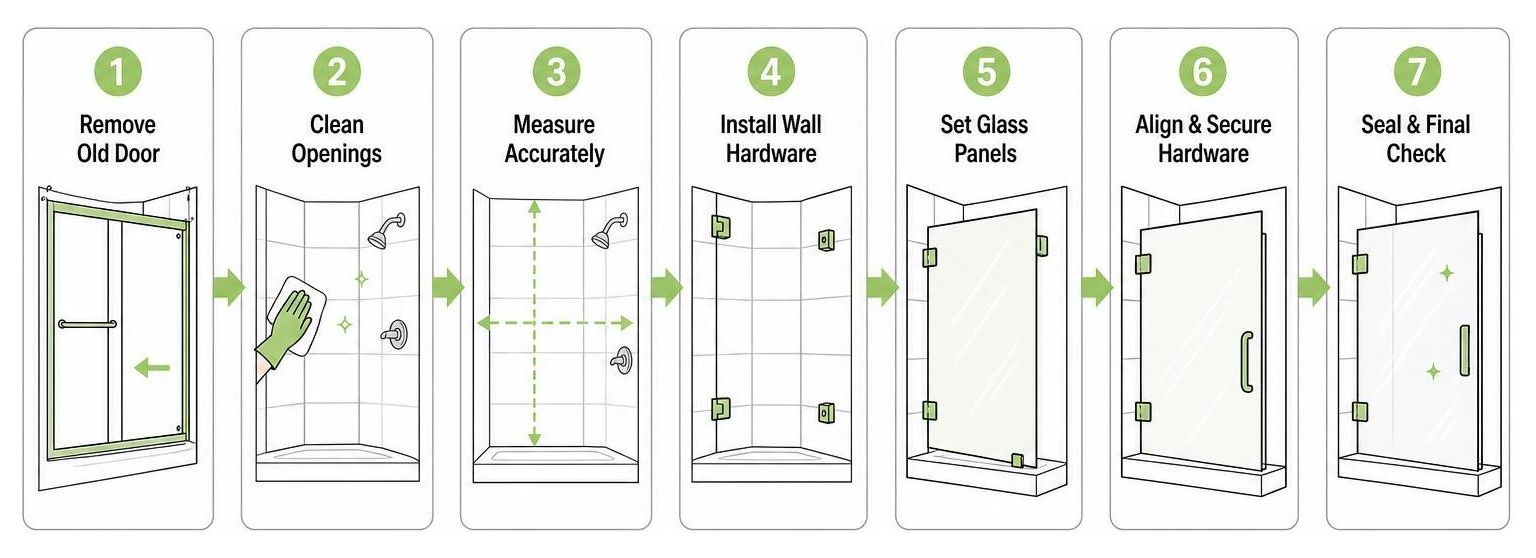
Replacing a glass shower door requires careful preparation, custom measurement, precise fabrication, and skilled installation. Mistakes in measurement can lead to binding doors or leaks. Before ordering materials, review these essential steps in 3 Things To Do Before Buying A Glass Shower Door.
How to Accurately Measure Your Shower Opening
Taking preliminary measurements helps you determine what layout works best for your space. However, final custom glass orders should always rely on completed, fully tiled field conditions.
- Verify Finished Wall Conditions: Never measure off rough studs or cement backing boards. Final measurements must be taken against fully installed tile, stone, or acrylic surrounds.
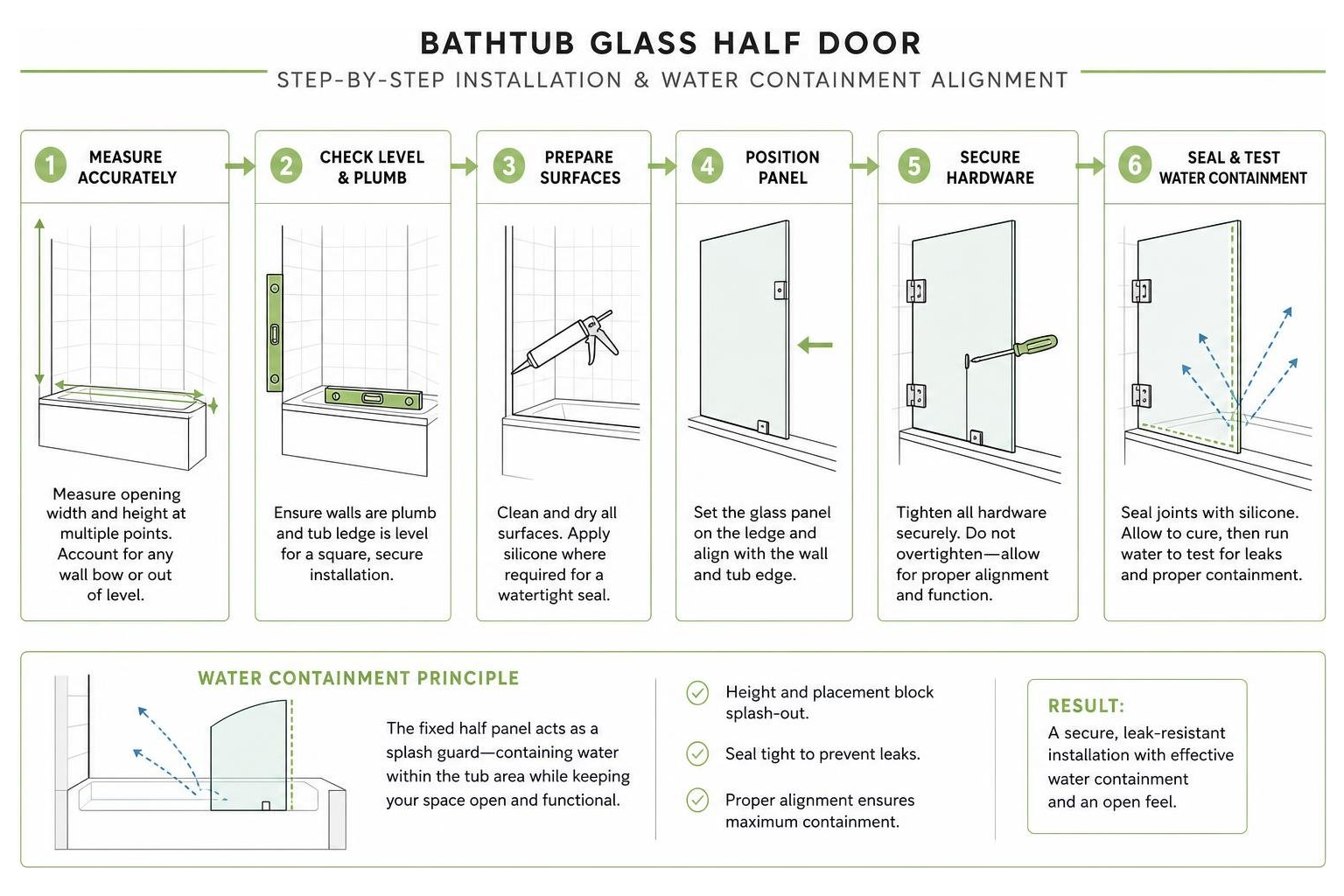
- Measure Opening Width: Using a quality tape measure, record the horizontal distance from wall to wall across the top, middle, and curb of the opening. Note the widest and narrowest dimensions.
- Measure Opening Height: Measure vertically from the top of the threshold or shower curb up to the top edge of your desired glass height or ceiling line.
- Check for Out-of-Plumb Walls: Place a long spirit level vertically against both side walls. If the bubble strays from center, your walls tilt inward or outward. Glass must be custom-cut with taper angles to match out-of-plumb walls seamlessly.
- Inspect Threshold Leveling: Ensure the curb or tub ledge is completely level from front to back. A sloping curb requires bottom glass notch cuts or custom seal sweeps to keep water inside.
Custom Fabrication and Timeline Expectations
Unlike off-the-shelf retail products, high-quality tempered glass cannot be cut, drilled, or trimmed once it leaves the tempering furnace. Every hinge hole, handle cutout, and bevel cut must be completed before the glass undergoes high-heat tempering.
From initial measure-up to final hardware polishing, the entire replacement timeline typically spans 7 to 10 business days (or roughly 1.5 to 2 weeks). Physical removal of the old assembly and mounting of the new door occurs in a single visit lasting only 2 to 4 hours. If you are comparing installation logistics in other metropolitan markets, regional custom glass services follow similar shop fabrication schedules.
Protecting Existing Tile and Shower Pans
A major concern among homeowners is whether removing an old metal frame will ruin decorative tile or scratch acrylic tub bases. When executed by experienced technicians, replacement is clean and non-destructive:
- Surface Protection: Floor mats and protective blankets cover the shower basin, vanity tops, and surrounding floor tile to prevent accidental scuffs or dropping impact.
- Careful Track Removal: Technicians carefully slice old silicone beads using specialized razor knives, detaching metal wall channels without chipping glaze or stone finishes.
- Screw Hole Patching: Old mounting holes drilled into tile grout lines are cleaned and filled with color-matched waterproof caulking or grout repair compounds to seal the surface.
- 100% Silicone Caulking: High-grade mildew-resistant clear silicone caulking is applied along all wall jambs and bottom curb joints to guarantee a watertight seal that holds for years.
Maintenance, Buyer Appeal, and DIY vs. Professional Installation

Investing in high-grade glass shower doors enhances daily convenience, supports long-term bathroom performance, and upgrades the look of your home. However, ensuring long-term satisfaction depends on choosing proper installation methods and maintaining protective coatings.
DIY vs. Professional Installation
While retail hardware stores sell prefabricated shower door kits, attempting a self-installation carries significant risks:
- Weight and Structural Handling: Heavy frameless tempered glass panels are heavy and delicate before installation. Impacting a glass corner against hard tile can cause the panel to shatter instantly.
- Wall Anchoring Requirements: Heavy swinging doors require structural blocking or heavy-duty anchors behind tile walls. Incorrect anchoring can cause hinges to sag over time, binding the door.
- Precision Alignment: Professional installers utilize specialized shims, levels, and suction tools to dial in door gaps down to fractions of an inch, ensuring magnetic seals align perfectly.
- Warranty Security: Professional glass installers offer workmanship warranties that cover seal leaks and hardware defects, giving you long-term peace of mind.
Buyer Appeal of New Glass Enclosures
Updating a bathroom enclosure can make a strong impression on prospective buyers. A modern glass shower door signals that the bathroom has been maintained, refreshed, and designed with long-term usability in mind.
Prospective buyers often view clear glass enclosures as evidence of a well-cared-for home. Replacing heavy, opaque curtains or rusted frames opens up visual sightlines, making compact bathrooms appear brighter, larger, and cleaner – a key selling point in competitive housing markets.
Cleaning and Long-Term Glass Maintenance
To keep your replacement glass sparkling and free of mineral buildup, follow these simple cleaning strategies:
- Daily Squeegee Routine: Keep a small rubber squeegee inside the shower. Taking 30 seconds to wipe down water droplets after every shower eliminates 90% of potential hard water spots.
- Vinegar and Baking Soda Cleaning Solution: To dissolve light water spots without harsh chemicals, mix equal parts white vinegar and warm water in a spray bottle. For stubborn spots, create a soft paste using baking soda and vinegar, apply gently with a soft microfiber cloth, let sit for 5 minutes, rinse, and dry.
- Avoid Abrasive Cleaners: Never use steel wool, scouring pads, or harsh bleach chemicals on coated shower glass or metal finishes, as these can scratch protective coatings and strip hardware finishes.
- Inspect Seals and Clear Tracks: Periodically check bottom vinyl sweeps and side magnetic gaskets for wear. Clean lower sliding tracks with a small brush to prevent soap residue from slowing roller motion.
Frequently Asked Questions
To clear up any lingering doubts about your project, explore these common questions alongside our helper guide, 6 Glass Shower Door Questions.
Can I replace just the glass panels of an old shower door without replacing the frame?
Yes, provided your existing aluminum frame is straight, plumb, free of heavy rust or pitting, and has sound perimeter seals. If the metal structure is in excellent condition, a glass technician can cut replacement safety glass panels to fit into the original tracks. However, if the frame is dated or corroded, installing a complete enclosure system is often the better long-term solution.
Will replacing my shower door damage existing tile or shower pan surfaces?
No. Skilled installers take precautions to protect tile glazes, stone surfaces, and shower curbs. Old silicone sealant is cleanly sliced away using non-marring tools, and existing screw mounting holes are patched with waterproof, mildew-resistant sealant or color-matched grout.
What are the signs of a poorly installed shower door?
Common indicators of improper installation include:
- Water regularly pooling on the bathroom floor outside the door sweep.
- A swinging door that drags against the curb or requires excessive force to latch shut.
- Misaligned magnetic gaskets that leave uneven gaps along the closing edge.
- Squeaking, popping, or binding sounds when operating sliding panels along overhead rails.
Conclusion
A successful glass shower doors replacement breathes new life into your entire bathroom, converting a dark, leak-prone shower into a bright, modern oasis. By choosing between framed, semi-frameless, or heavy frameless designs, picking complementary hardware finishes, and opting for custom-cut tempered glass, you ensure a safe and long-lasting fit tailored to your home’s unique layout.
Precise measurements, proper wall anchoring, and careful handling of heavy safety glass are essential for a leak-free outcome. At JP Precision Glass, our team handles every stage with expert craftsmanship—from initial laser measurement to final fit. Ready to elevate your home’s comfort and style? Contact us today to explore our complete range of custom shower door solutions!