
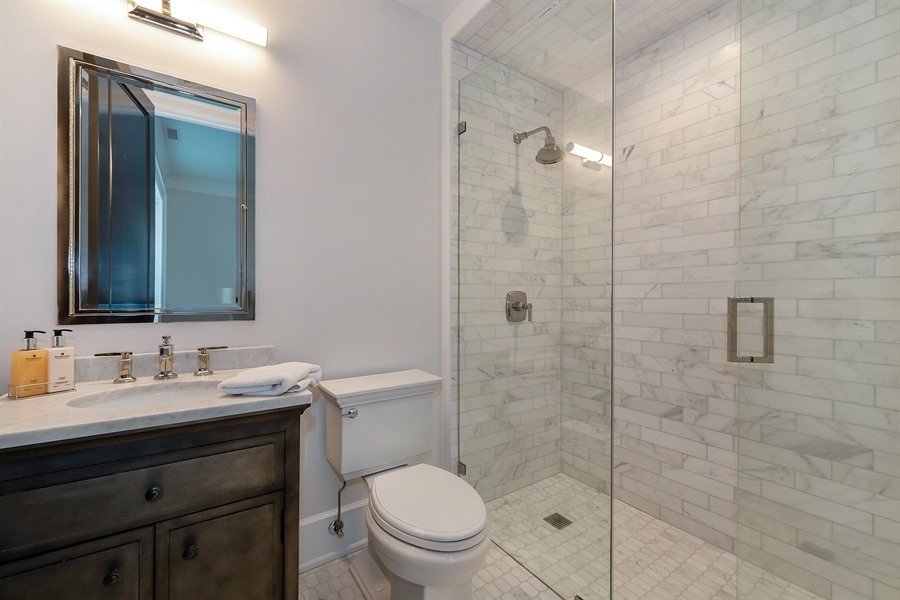
What Drives Shower Glass Prices in a Modern Bathroom Remodel
Shower glass prices depend most on glass size and thickness, enclosure style, hardware, custom cuts, and installation conditions. A simple fixed panel with standard hardware is usually the most budget-friendly route, while a made-to-measure frameless enclosure with heavy glass, specialty finishes, sliding doors, or angled walls requires more materials and skilled labor.
Before requesting estimates, confirm your opening dimensions, tile condition, wall support, and preferred door style. This helps you compare quotes fairly and avoid surprises such as extra site preparation, delivery, old-door removal, or seal and hardware upgrades.
For Chicago remodels, labor availability, building access, and the precision needed to work around uneven walls or tile can also affect the final budget. A clear written scope is the best way to separate necessary work from optional upgrades.
Explore more about shower glass prices:
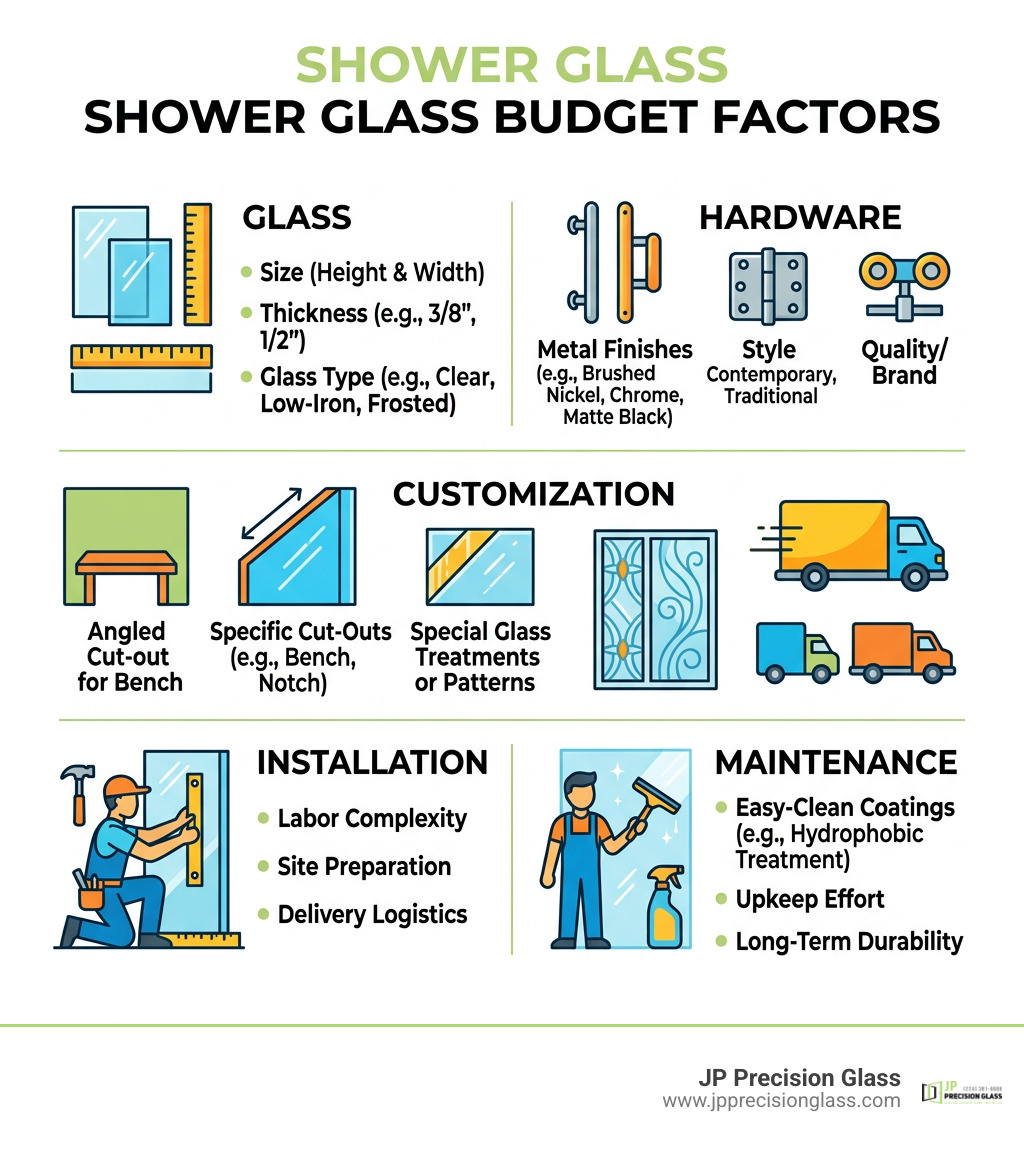
Understanding Shower Glass Prices and Cost Factors
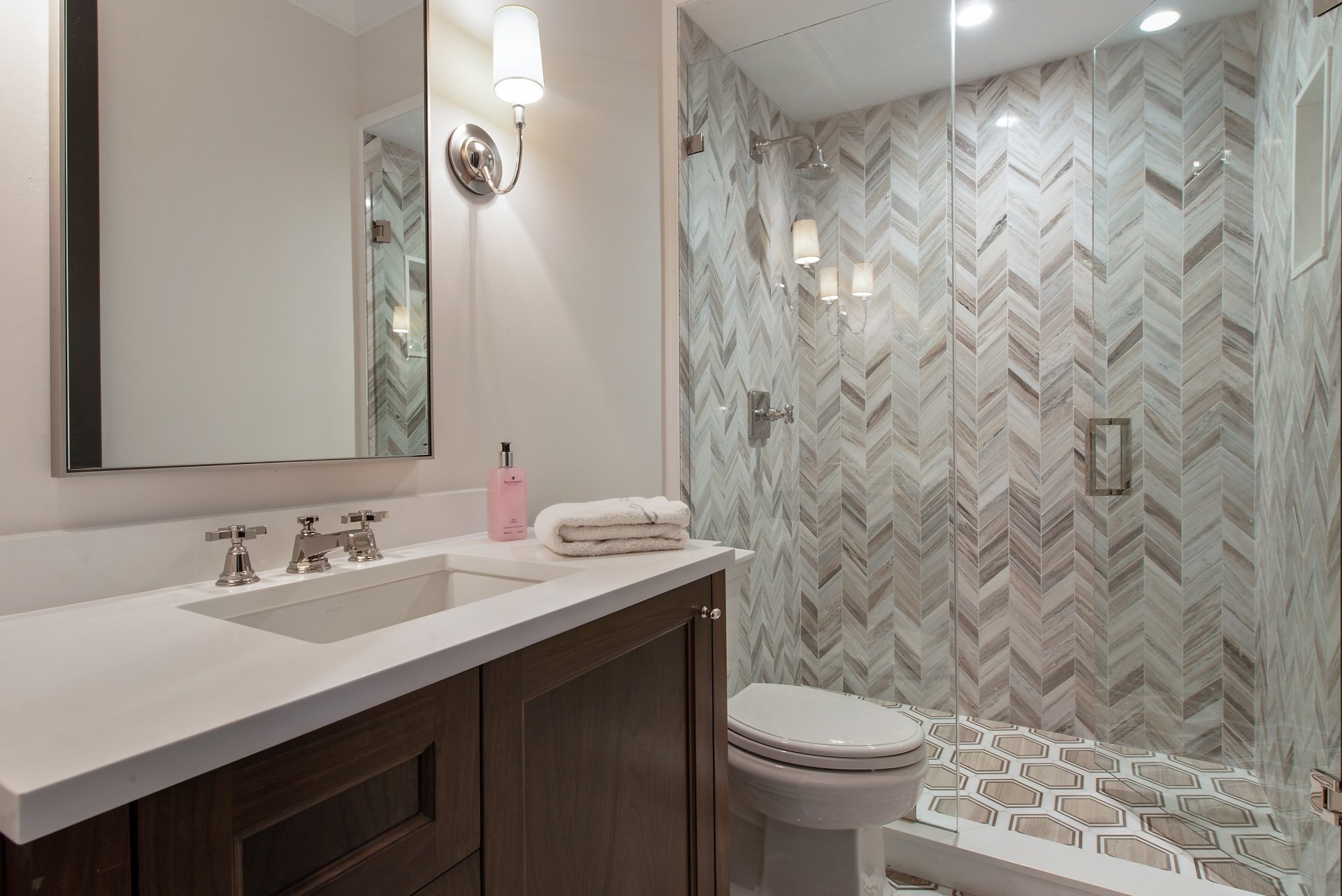
When mapping out a bathroom renovation, understanding what dictates your overall budget helps you make informed design decisions. The total investment for your enclosure comes down to physical material demands, architectural precision, and the aesthetic elements chosen for your space.
Key elements affecting your enclosure scope include:
- Panel Dimensions and Surface Area: Larger openings require heavier panes, extra structural support, specialized transport, and often two or more technicians for safe maneuvering and staging.
- Edge Polishing and Notching: Flat polished edges, beveled details, mitered seams, or custom cutouts for knee walls, pony walls, built-in benches, and decorative tile overhangs require specialized computerized CNC machinery and hand finishing.
- Specialty Coatings and Glass Types: Factory-applied hydrophobic treatments shield surfaces against hard water etching and mineral buildup. Choosing between standard clear float glass and ultra-clear low-iron glass (which eliminates the natural greenish hue visible along the edges) also changes the manufacturing complexity.
- Custom Fabrications: Out-of-square walls or complex ceiling slopes demand custom-tempered glass fabricated to exact laser specifications rather than standard off-the-shelf rectangular sizing.
Glass Thickness and Shower Glass Prices
The thickness of your glass directly governs its structural rigidity, weight, and visual profile. Standard safety glass typically ranges from lighter panels used in framed units to substantial architectural glass designed for open, minimalist designs.
In modern frameless applications, the two most prevalent choices are 3/8-inch (10mm) and 1/2-inch (12mm) heavy tempered safety glass. While 3/8-inch glass provides an exceptional balance of structural stability and weight for most standard residential enclosures, 1/2-inch glass delivers a substantial, luxurious feel with maximum rigidity, making it ideal for tall stationary panels, expansive shower screens, or free-standing walk-in designs.
Thicker glass creates a modern aesthetic while eliminating the need for bulky aluminum framing. For homeowners exploring the benefits of frameless glass shower doors, opting for heavier tempered panels provides solid operation, enhanced sound dampening, and safety compliance certified by the Safety Glazing Certification Council (SGCC).
How Hardware Finishes Influence Shower Glass Prices
Hardware functions as both the mechanical backbone and the jewelry of your shower enclosure. Hinges, handles, header bars, clamps, and rolling mechanisms must hold substantial weight while standing up to constant moisture, steam, and everyday handling.
- Finish Selections: Standard chrome often serves as an accessible entry point, while finishes like brushed nickel, matte black, oil-rubbed bronze, brushed bronze, or brushed brass require multi-stage electroplating or physical vapor deposition (PVD) processes for long-term corrosion and tarnish resistance.
- Mechanism Design: Advanced systems, such as a double sliding frameless soft-close shower door, incorporate fluid dampeners that catch rolling panels before they reach the wall jamb. This protects the glass from impact shock, prevents bouncing, and reduces operating noise.
- Solid Brass Construction: Solid forged brass mounting brackets and heavy-duty stainless steel components prevent sagging and hinge fatigue over decades of use compared to lighter cast aluminum alternatives.
Professional Labor and Installation Requirements
Skilled craftsmanship is essential when working with heavy architectural glass. Frameless panels demand precise leveling and secure structural fastening, making affordable shower door installation an investment in long-term safety, water containment, and clean aesthetics. Because tempered glass cannot be cut, drilled, or altered once it completes the heat-tempering process, every initial measurement must be accurate down to a fraction of an inch.
Installation Timeframes and Site Preparation
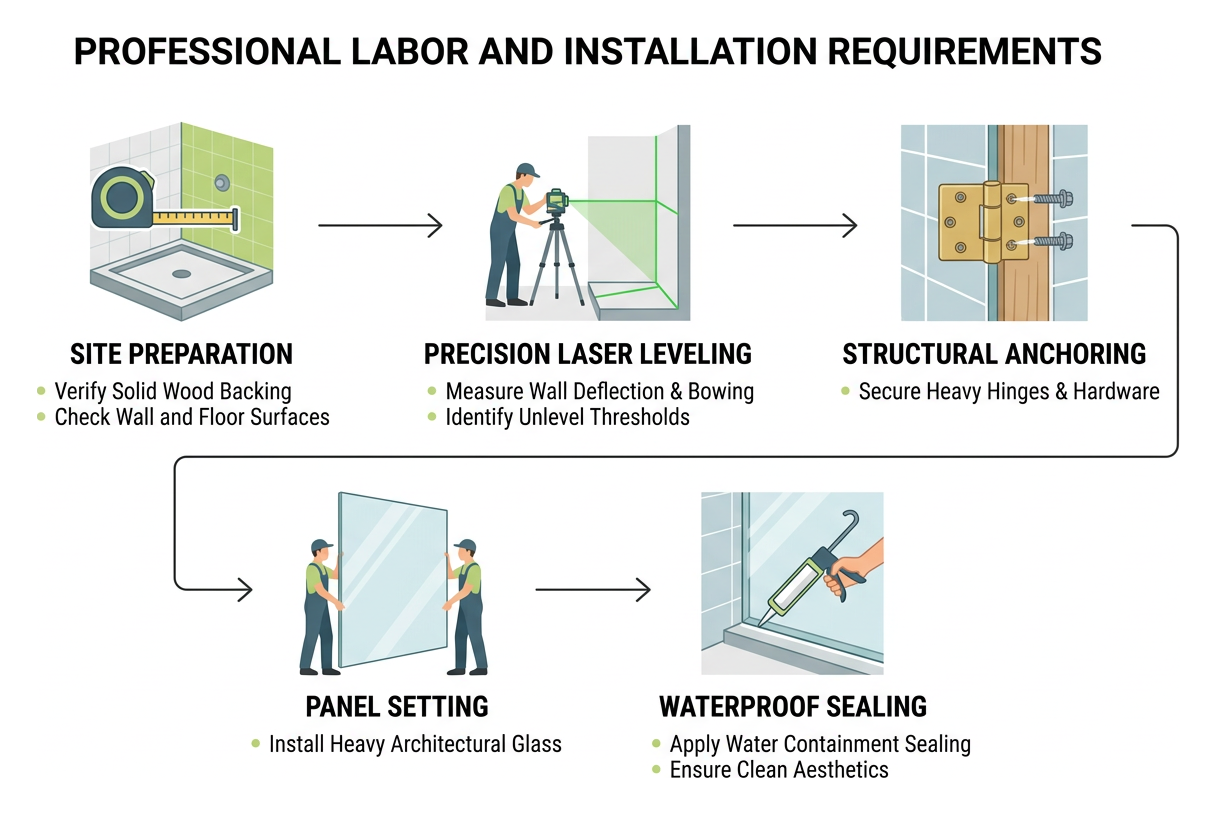
Proper installation requires careful sequencing to ensure the glass performs flawlessly without putting undue stress on wall tiles or structural studs:
- Precision Measuring and Laser Templating: Technicians utilize laser levels and digital measuring tools to identify wall deflection, bowing, out-of-plumb conditions, or unlevel curbs and thresholds.
- Structural Backing Verification: Installers confirm that solid wood blocking exists behind tile walls to hold heavy glass hinges and structural brackets securely under load.
- Specialized Tile Drilling: Diamond-tipped core bits lubricated with water penetrate porcelain, ceramic, glass mosaic, or natural stone slabs without cracking or chipping surrounding surfaces.
- Mounting, Setting, and Alignment: Panels are plumbed, clamped, leveled, and micro-adjusted to create perfectly even sightlines, consistent reveals, and uniform gaps along door swings.
- Sanitary Seal Application: High-grade mildew-resistant silicone cures along critical stationary joints to keep water securely within the shower footprint while allowing necessary expansion tolerance.
Regional Cost Variations Across Markets
Installation labor and logistical requirements vary based on geographic location, building styles, and local market conditions. You can review a detailed shower glass price guide to see broader nationwide trends.
- Metro vs. Rural Markets: Dense urban centers, such as downtown condominium buildings, involve specific challenges including freight elevator reservations, parking permits, certificate of insurance (COI) requirements, and tight hallway navigation.
- Contractor Availability: Regions with high remodeling activity and specialized glazing technicians reflect local trade labor demand and scheduling availability.
- Building Codes: Coastal, high-wind, or seismic zones often enforce strict structural fastening and glass tempering mandates that influence hardware choices and mounting methods.
Comparing Basic, Mid-Range, and Custom Enclosures
Selecting the right enclosure requires balancing budget, architectural layout, and personal design goals. Understanding the differences between standard prefabricated kits, semi-frameless systems, and fully custom frameless enclosures ensures you select the configuration best suited to your space.
| Feature Category | Standard Prefabricated | Semi-Frameless Mid-Range | Custom Frameless |
|---|---|---|---|
| Glass Thickness | Lighter standard glass | Moderate thickness | Heavy architectural glass |
| Frame Style | Fully framed aluminum | Minimal perimeter frame | Completely frameless |
| Hardware Options | Basic chrome or brushed finish | Standard designer finishes | Custom PVD finishes & soft-close |
| Configuration Fit | Fixed standard openings | Limited width adjustments | Fully custom to out-of-plumb walls |
| Aesthetic Profile | Traditional | Transitional | Clean, modern minimalism |
Consulting our guide to buying bathroom shower enclosures locally can help you determine which format suits your bathroom layout and overall design vision.
Replacing Outdated Shower Glass
Upgrading an older shower requires careful removal and prep work. If your existing enclosure shows signs of hardware wear, corroded aluminum channels, or cloudy, etched glass, choosing to replace glass shower door assemblies can refresh your space without requiring a complete wall overhaul.
Our team ensures that glass shower doors replacement made easy includes removing old metal frames, clearing degraded silicone, repairing minor tile anchor voids, and inspecting the base threshold before securing new glass. This thorough preparation prevents moisture intrusion behind tiled surfaces and guarantees that the new frameless assembly sits perfectly square and secure.
Long-Term Maintenance and Hidden Ownership Expenses
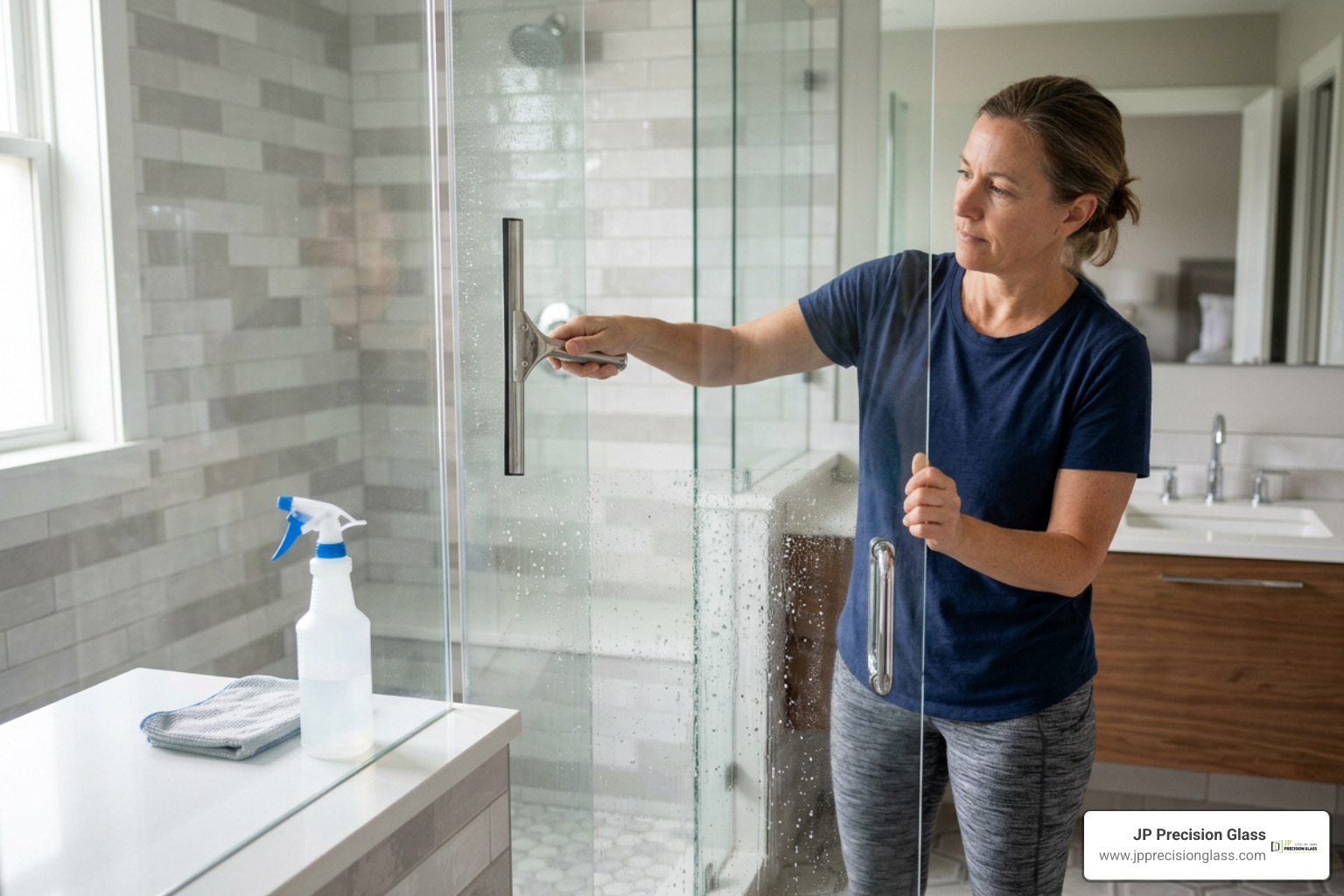
Maintaining shower glass requires regular care to protect the surface from hard water mineral etching, soap scum accumulation, and mechanical wear over the lifespan of the enclosure.
- Silicone Joint Inspection: Check perimeter sealant every one to two years for discoloration, peeling, or separation, recaulking stationary joints when necessary to maintain watertight integrity.
- Hardware Fastener Tightening: Periodically check hinge clamp screws, handle fasteners, and support bar connections to maintain proper door alignment and prevent sagging.
- Vinyl Sweep Replacement: Replace bottom door sweeps, drip rails, and magnetic jamb seals when they show signs of stiffness, discoloration, or wear to avoid water escaping onto bathroom floors.
- Surface Re-application: Refresh protective hydrophobic glass coatings periodically with compatible maintenance sprays to keep water beading effortlessly and reduce routine squeegee effort.
- Proper Cleaning Habits: Avoid abrasive scouring pads and harsh chemical cleaners containing ammonia, bleach, or strong acids that can degrade protective coatings and corrode decorative hardware finishes.
Frequently Asked Questions About Shower Glass Budgeting
What factors cause the largest budget increases for glass panels?
Custom angled cuts, out-of-plumb wall adjustments, specialty tinted or ultra-clear low-iron glass, and complex sliding or bi-fold hardware configurations represent the primary elements that expand project scope.
How often do glass seals and hardware need maintenance?
Bottom drip sweeps and vinyl splash guards generally benefit from replacement every two to three years depending on water hardness and usage frequency. Silicone perimeter seals should be inspected annually.
Is professional installation necessary for heavy glass enclosures?
Yes. Heavy architectural glass is tempered for safety, which makes its edges vulnerable to shattering if bumped against tile during installation. Professional glazers ensure proper load distribution, plumb alignment, and structural anchoring into solid wall studs.
Conclusion
Designing a modern shower enclosure balances visual appeal, functional hardware, and structural stability. By understanding how glass thickness, hardware choices, installation complexity, and long-term care shape your project, you can make confident choices for your home.
When you are ready to enhance your bathroom, explore custom glass shower enclosures with our expert team at JP Precision Glass to create a tailored solution built to last.