What Affects Bath Shower Screen Prices?
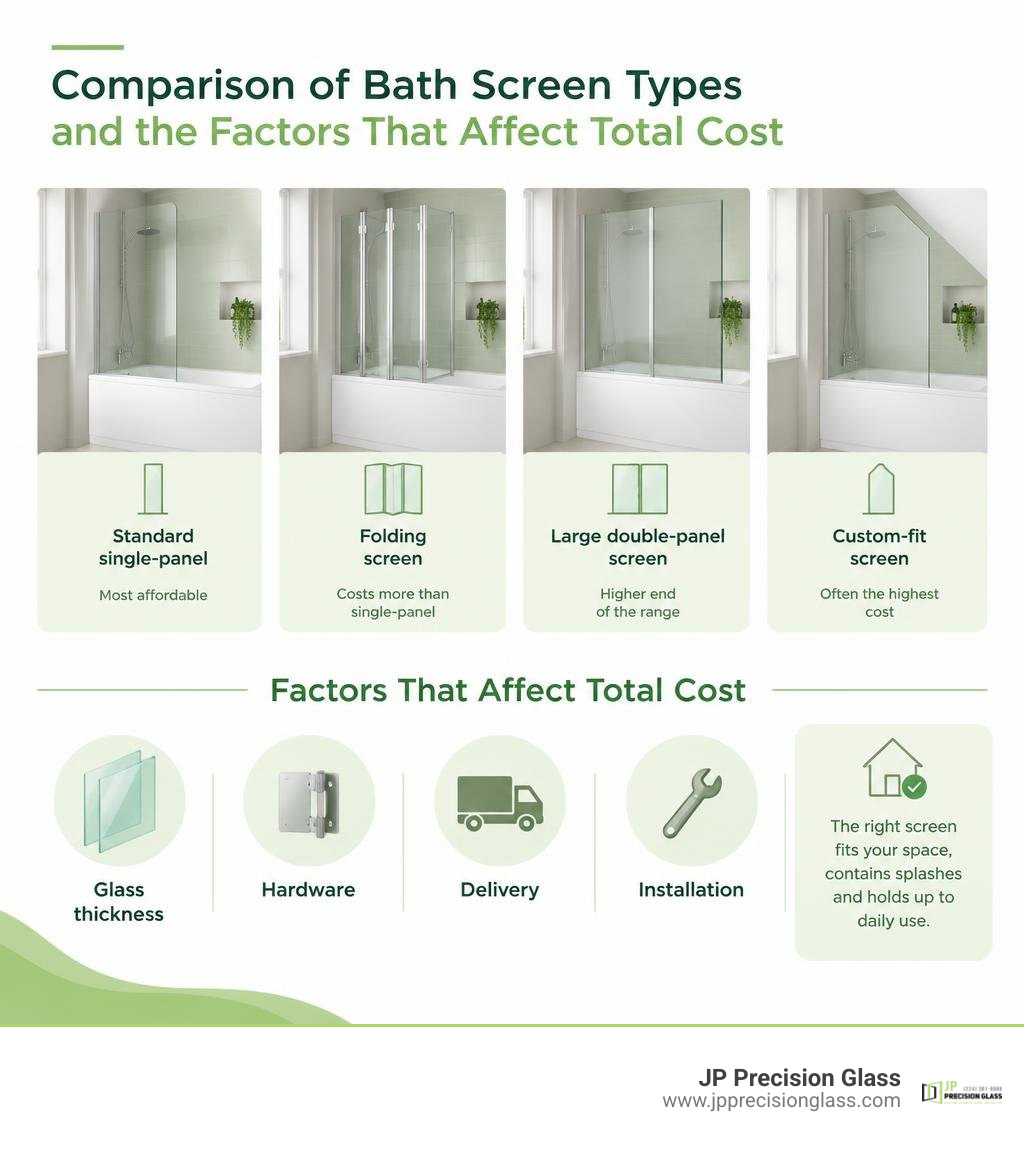
Standard single-panel screens are usually the most affordable choice. Folding screens and easy-clean glass tend to cost more, while large double-panel or custom-fit screens sit at the higher end. For a fair comparison, look beyond the screen itself: glass thickness, hardware, delivery, and installation all affect what you spend.
If your bath sits against uneven walls or has unusual dimensions, a custom screen may fit and seal better than an off-the-shelf one. The right choice is the one that fits your space, contains splashes, and holds up to daily use. Because bath shower screen prices vary so widely by configuration, material grade, and structural requirements, homeowners should first map out how the screen will be used daily. A compact guest bathroom may only need a simple pivot panel, while a family bathroom with a high-pressure showerhead benefits from a double-panel design with reinforced hardware. Understanding these variables before comparing products helps you avoid paying for features you do not need or, just as importantly, choosing a screen that cannot handle the demands of your bathroom.
Bath shower screen prices glossary:
Key Factors Influencing Bath Shower Screen Prices
When upgrading your bath setup, finding the right balance between style, longevity, and structural safety comes down to understanding the core build materials. Glass thickness, profile finishes, and specialized surface treatments all play a pivotal role in the manufacturing and overall quality of an over-bath partition. Exploring The Ultimate Guide to Compare Buy Shower Glass Panels can help you weigh how different materials and configurations affect both performance and design.
Every design feature introduces specific engineering requirements. For example, upgrading from basic hardware to architectural finishes or incorporating factory-applied hydrophobic coatings will alter the value proposition. When non-standard layouts or unique bathtub dimensions enter the picture, understanding The Real Cost of Custom Glass Shower Enclosures becomes essential for long-term planning. According to industry guidance from the National Glass Association, properly specified safety glazing and hardware are critical to both performance and code compliance in wet-area applications.
How Glass Thickness and Hardware Drive Bath Shower Screen Prices
Glass thickness represents the most significant structural decision in any shower screen configuration. The industry standards for residential over-bath screens fall into three primary categories:
- 6mm Toughened Safety Glass: Standard for entry-level and lightweight screens. It offers reliable impact resistance while keeping overall weight manageable for basic wall channels and DIY setups.
- 8mm Toughened Safety Glass: The preferred mid-range choice, providing enhanced rigidity, reduced flex during movement, and a noticeably more substantial feel.
- 10mm Heavy-Duty Safety Glass: Used in luxury semi-frameless and frameless applications. At this thickness, panels require heavy-duty brass or stainless steel hinges and structural support brackets. Reading up on Everything You Need to Know Before Buying a 10mm Frameless Shower Screen highlights how heavy glass transforms structural stability and hardware demands.
Hardware durability directly correlates with glass thickness. Heavy panels demand solid brass or marine-grade stainless steel pivot clamps to prevent sagging over time, whereas lightweight screens often rely on basic aluminum wall profiles. The finish you select also influences long-term satisfaction: polished chrome resists corrosion well in humid bathrooms, matte black hides water spots and fingerprints effectively, and brushed brass adds warmth but may require more frequent cleaning to maintain its appearance.
Comparing Tier Levels and Bath Shower Screen Prices
Different market tiers reflect clear distinctions in glass thickness, hinge mechanics, surface treatments, and warranty protection:
| Tier Level | Typical Configuration | Glass Thickness & Spec | Hardware & Finish | Expected Features & Warranty |
|---|---|---|---|---|
| Budget | Single Fixed or Pivot Panel | 6mm Tempered Glass | Polished Chrome Aluminum Channel | Basic bottom seal, standard wall profile, 1–2 year warranty |
| Mid-Range | Curved, Folding, or Square Screen | 6mm–8mm Easy-Clean Glass | Chrome, Matte Black, or Brushed Brass | Integrated towel rail, reversible handing, 5–10 year warranty |
| Premium | Double Panel Hinged / Custom | 8mm–10mm Hydrophobic Glass | Heavy-duty solid brass / stainless steel fittings | Semi-frameless or frameless build, wide swing clearance, 10+ year warranty |
Comparing Bath Shower Screen Configurations and Styles
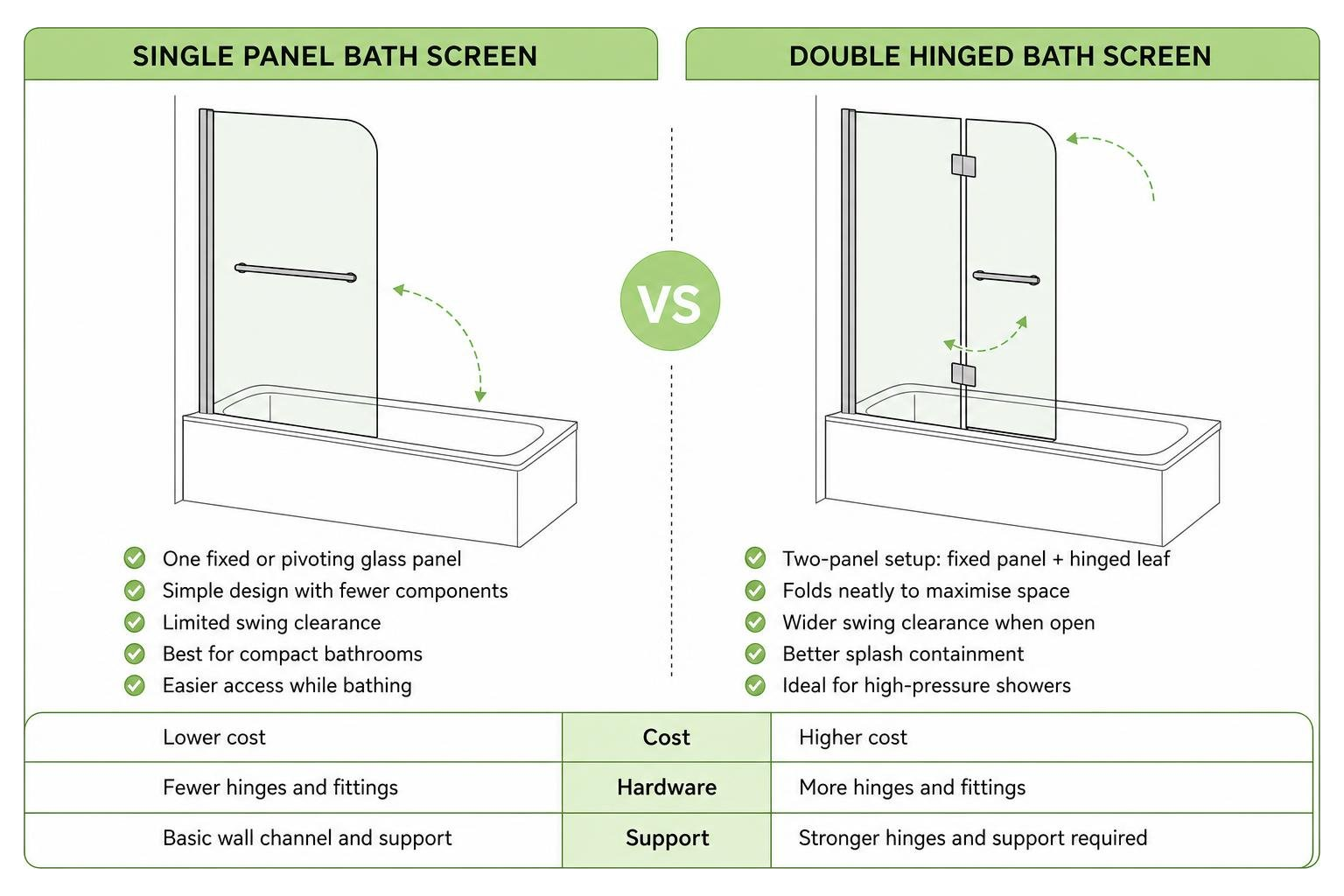
Choosing the correct configuration depends on your bathroom layout, water pressure, and access needs. A single static or pivot panel offers simplicity, but multi-panel designs provide superior splash containment for high-pressure showerheads. To learn more about various operable designs, check out The Ultimate Guide to Bath Shower Doors Compare Buy.
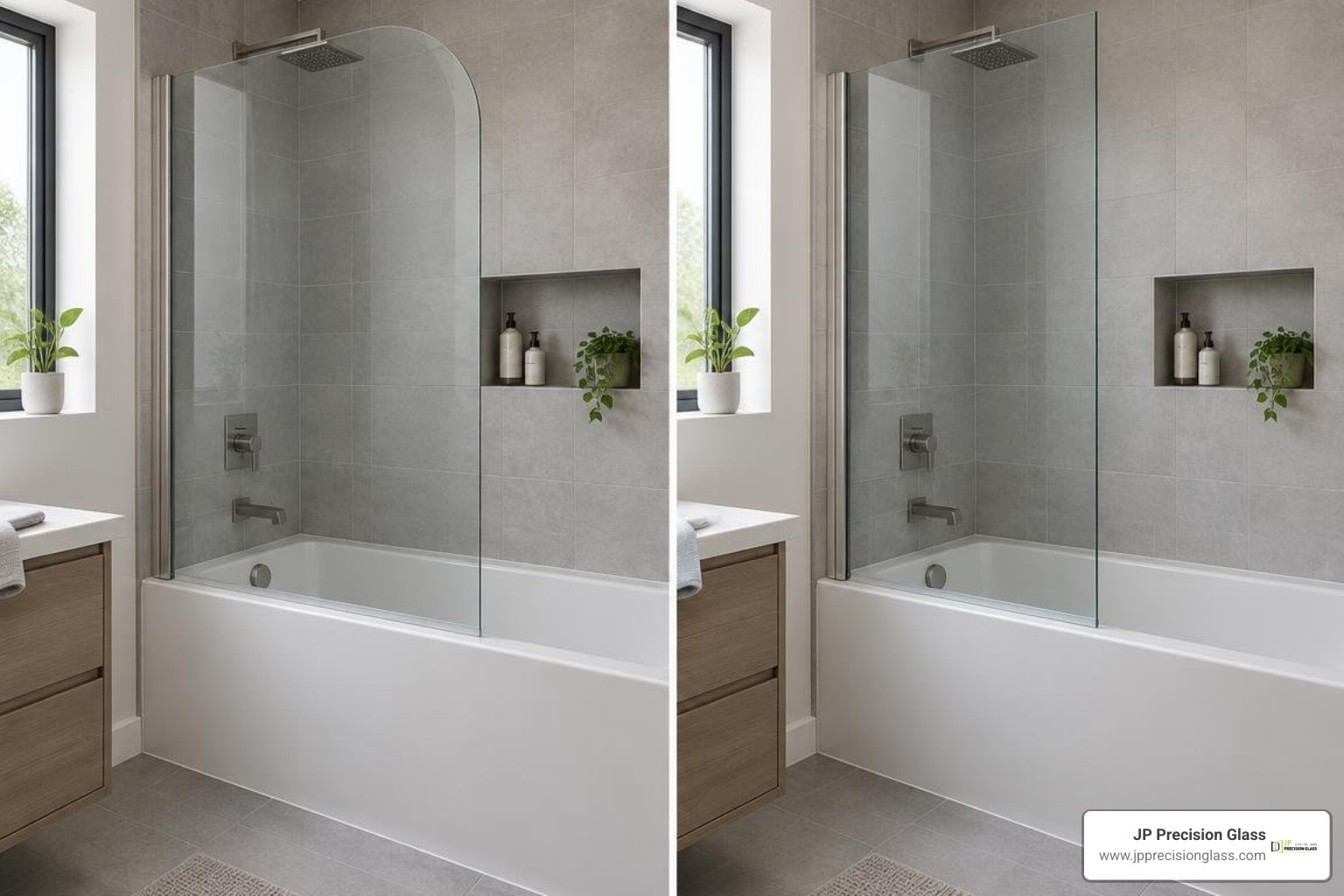
- Square Edge Screens: Offer crisp, modern lines that complement contemporary rectangular bathtubs.
- Curved Bath Screens: Feature a gentle sweep at the top edge, designed to fit shower baths or soften the visual profile of smaller bathrooms.
- Double Panel & Folding Screens: Utilize an anchored fixed panel paired with a secondary hinged leaf. This setup allows the screen to fold neatly away, opening up bathing access.
- Integrated Towel Rails: Many modern designs incorporate an exterior-mounted rail directly through pre-drilled glass, combining storage with convenience.
- Screens with Return Panels: For high-volume showers positioned near vanity units, evaluating whether a bath shower screen with return suits your layout helps eliminate side-splash completely.
Compact vs Extended Configurations
In smaller bathrooms, tight clear space around vanities and toilets restricts how far a hinged glass screen can swing open. If space is tight, reviewing our Small Bathroom Big Style The 500mm Glass Shower Screen Guide reveals how compact panels balance splash containment with effortless room entry.
Conversely, extended baths benefit from modular additions. Implementing a secondary partition or consulting The Ultimate Guide to Bath Shower Screen Extension Panels ensures full coverage along longer tub ledges without sacrificing accessibility. The configuration you select should also account for how often the bath is used for bathing versus showering, since a folding screen that opens wide may be worth the additional investment in a household where children or pets require frequent tub access.
Bath Shower Screens vs Full Shower Enclosures: A Value Comparison
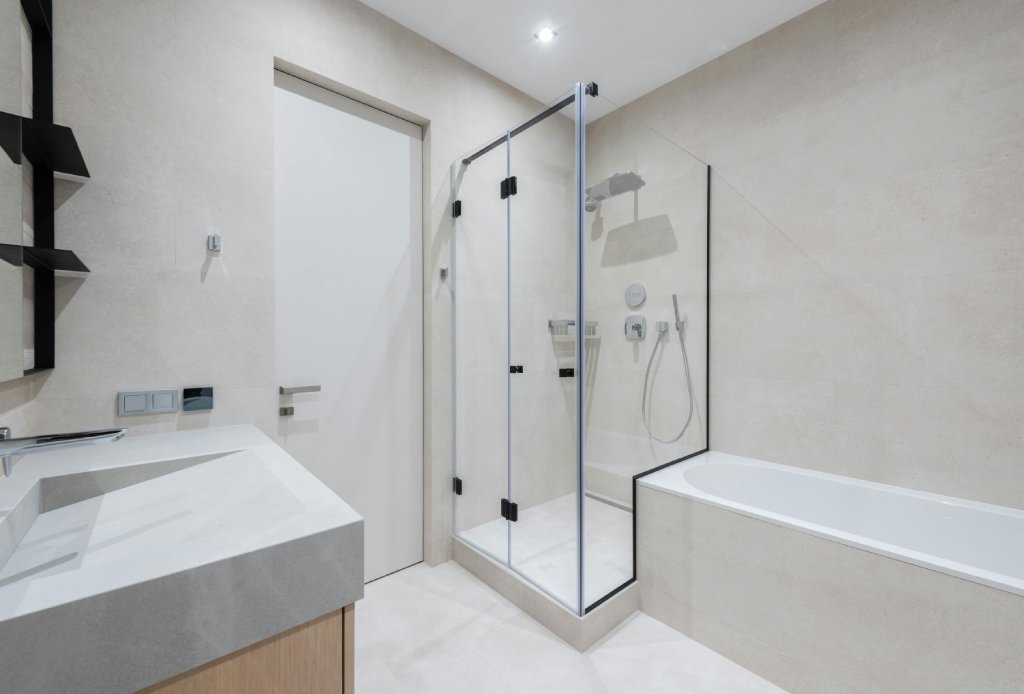
When redesigning a bathroom, homeowners often weigh an over-bath shower screen against a dedicated, full-height shower enclosure. An over-bath screen maximizes functionality within a single footprint by retaining full bathing capability while providing a modern glass shower zone. This dual-purpose approach is especially valuable in family bathrooms where both bathing and showering are part of the daily routine.
To compare layout trade-offs and structural footprints, review The Complete Guide to Compare Glass Shower Enclosures. While a standalone shower enclosure requires dedicated floor drainage, tray leveling, and separate plumbing rough-ins, a bath screen mounts directly to the existing tub rim and adjoining wall. That means fewer demolition tasks, less tile work, and a faster overall renovation timeline. Balancing these trade-offs is easier when you evaluate Everything You Need to Budget for Modern Shower Glass across both configurations. For many homes, the over-bath screen delivers the best value because it preserves the bathtub while still creating a contained, modern showering area without the need for additional floor space.
Hidden Costs to Consider When Buying a Bath Screen
When planning your bathroom update, look beyond the base purchase of the glass panel. Several factors can impact the final project scope:
- Delivery and Heavy Freight: Heavy safety glass requires specialized freight handling to prevent edge chipping, especially with 8mm and 10mm glass panels weighing over 20kg. Some suppliers include standard delivery in the quoted figure, while others add freight as a separate line item, so confirm this before comparing final totals.
- Wall Out-of-Plumb Adjustments: Older homes frequently feature walls that lean inward or outward. While basic profiles offer limited adjustability (usually 10–15mm), severe variances require custom-tapered glass fabrication to ensure a watertight fit. Skipping this step can leave visible gaps that allow water to escape onto the bathroom floor.
- Professional Installation: Proper anchoring into tile, stone, or reinforced studs demands specialized diamond-tipped drill bits and careful structural fastening to support dynamic swinging weight. Finding verified trades through Your Guide to Buying Bathroom Shower Enclosures Locally helps prevent cracked tiles and failed waterproof seals. A poorly installed screen can also void the manufacturer’s warranty, making professional fitting a worthwhile safeguard.
- Maintenance and Replacement Seals: Vinyl bottom sweeps and magnetic drip seals experience natural wear from soap scum and friction. High-grade UV-resistant seals last significantly longer before requiring replacement. Budgeting for occasional seal replacement keeps the screen performing like new and prevents slow leaks that can damage surrounding flooring over time.
Frequently Asked Questions About Bath Shower Screens
Are thicker glass bath shower screens worth the extra investment?
Yes. While 6mm glass meets standard safety benchmarks, 8mm and 10mm toughened safety glass offer noticeable rigidity, eliminate panel flutter during high-velocity water spray, and provide a substantial, luxury feel. Thicker glass panels pair with heavy-duty structural hinges, extending the mechanical lifespan of the moving hardware. For households with active children or frequent use, the added stability of thicker glass also reduces the likelihood of misalignment over time.
How does an easy-clean coating affect maintenance and screen longevity?
Factory-applied hydrophobic coatings fill microscopic peaks and valleys on the glass surface. This prevents water droplets, limescale, and soap residue from etching into the silica structure. As a result, cleaning frequency drops dramatically, and the screen maintains its original clarity for years with minimal effort. While the coating does not eliminate cleaning entirely, it significantly reduces the buildup that typically clouds untreated glass in hard-water areas.
Can a bath shower screen be installed on uneven or out-of-plumb walls?
Standard off-the-shelf screens include adjustable wall channels that compensate for minor out-of-plumb deviations up to 15mm. However, for significant wall runout or irregular tile ledges, precision laser-measured custom glass panels guarantee a clean, gap-free installation that prevents water leakage onto your bathroom floor. A professional measurement also identifies structural issues before installation begins, avoiding costly rework after the screen has been fabricated.
Conclusion
Selecting the ideal bath shower screen means balancing glass thickness, precision hardware, functional configurations, and long-term maintenance needs. Whether you need a compact single panel for an efficient space or a heavy-duty double-hinged screen for maximum splash protection, prioritizing quality materials ensures lasting performance and structural safety.
At JP Precision Glass, we specialize in delivering precision-engineered, made-to-size solutions that fit your bathroom layout seamlessly. From custom measurements that account for out-of-plumb walls to heavy-duty frameless hardware, explore our custom glass shower panels to find the perfect fit for your home renovation. With the right screen in place, your bath becomes a versatile, splash-free showering space that holds up beautifully to daily use for years to come.