
How to Find the Right Bath Shower Screen Sale Deal
For the best value in a bath shower screen sale, check the fit before the discount. Match the screen to your tub’s shape, measure the space it needs to open, and look for toughened safety glass and a reliable bottom seal. Before buying, check what delivery, returns, and warranty coverage include.
A standard screen may not suit an unusual tub or an uneven wall. JP Precision Glass designs and installs made-to-size bathtub glass doors for Chicago homeowners who need a precise fit.
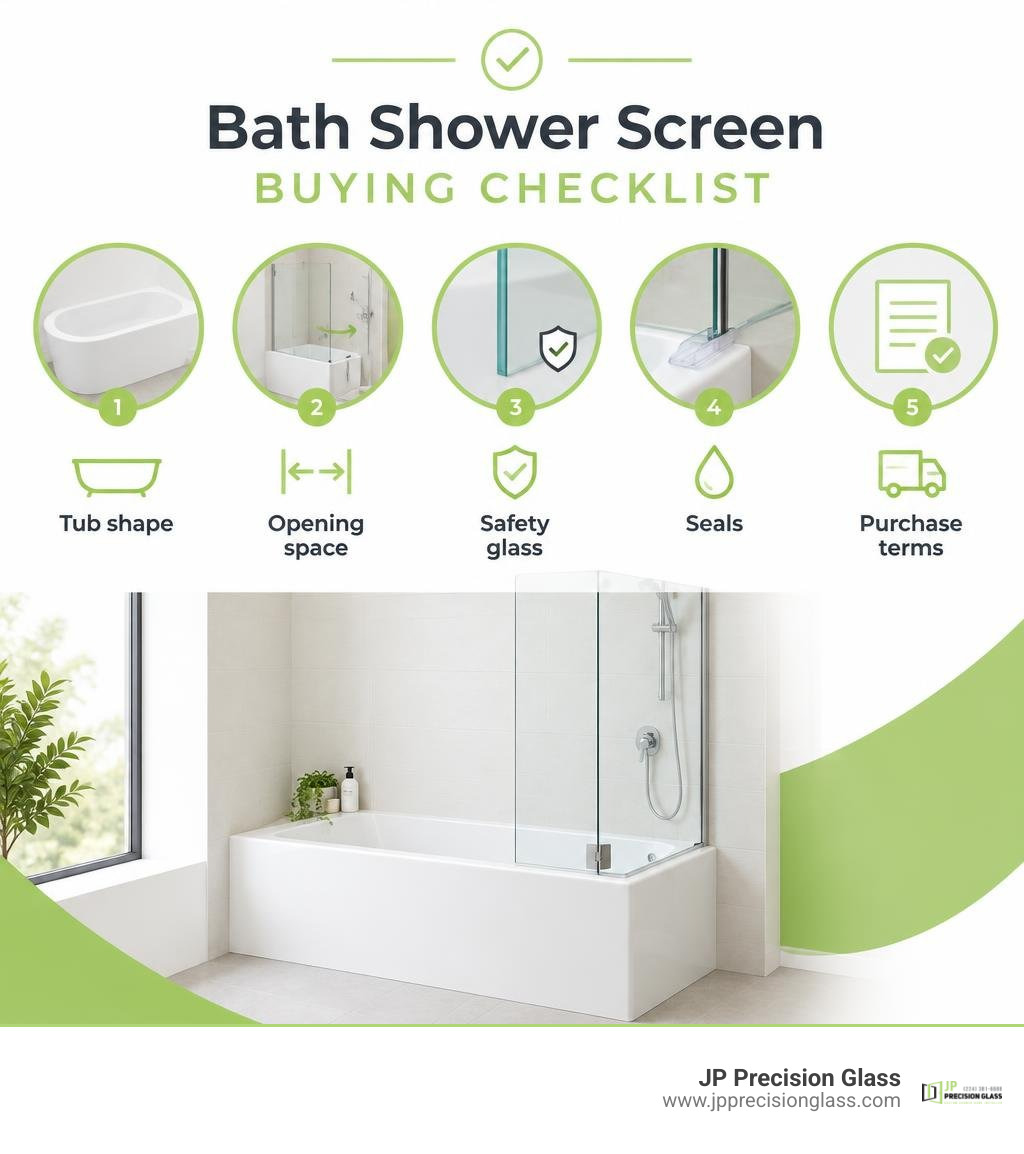
Bath shower screen sale word guide:
Why Upgrade During a Bath Shower Screen Sale
Upgrading to a glass screen transforms a tired bathroom into a bright, contemporary retreat. Traditional shower curtains cling to your legs, trap moisture in heavy fabric folds, and invite mold spores to thrive. In contrast, solid glass partitions create a hygienic barrier that wipes clean in seconds, letting natural light bounce freely across your tiles.
Beyond simple aesthetics, the functional benefits are undeniable. Learning about shower power and why you need a glass bathtub shield highlights how much better solid glass protects surrounding drywall and subflooring compared to leaky plastic curtains. High-velocity showerheads direct water outward, but a properly sealed glass shield deflects spray back into the tub basin every time.
| Screen Type | Aesthetic Profile | Structural Rigidity | Cleaning & Maintenance |
|---|---|---|---|
| Fully Framed | Classic, bordered look | Highest (metal supports all edges) | Requires cleaning around all aluminum channel seams |
| Semi-Frameless | Slim perimeter with open edges | Moderate to High (perimeter wall track) | Minimal metal framing; straightforward to wipe down |
| Frameless | Clean, uninterrupted floating glass | High (relies on thick, heavy-duty glass) | Easiest; seamless glass with no frame channels |
What to Look for During a Bath Shower Screen Sale
When browsing seasonal promotions and discounted inventory, it is easy to get distracted by markdown percentages. However, knowing what you should expect to pay for a quality bath shower screen means focusing on structural integrity, glass certification, and hardware longevity rather than choosing the cheapest panel available.
Look for heavy-duty aluminum channels, solid brass hinge assemblies, and certified tempered glass. Choosing durable components ensures your investment withstands daily family use without sagging, rusting, or leaking down the road.
Navigating Framed, Semi-Frameless, and Frameless Options in a Bath Shower Screen Sale
Your bathroom’s layout and design style dictate which frame profile works best:
- Framed Screens: These feature metal encasements around every glass edge. They offer excellent structural rigidity using thinner glass profiles, making them budget-friendly and durable for high-traffic children’s bathrooms.
- Semi-Frameless Screens: These strike a balance by utilizing sturdy wall channels and bottom profiles while leaving the top and swinging edges unbordered. They deliver a modern look without the full weight of heavy frameless panels.
- Frameless Screens: The gold standard of luxury bathroom design. Reviewing everything you need to know before buying a 10mm frameless shower screen reveals that thick, freestanding glass provides an expansive, open feel that makes compact rooms appear much larger. High-end sliding systems paired with matte black or brushed metal hardware turn an ordinary tub into a luxury focal point.
Matching Screen Styles to Bathtub Shapes and Layouts
Every bathtub presents unique contours. Installing the wrong glass shape leads to awkward gaps, pooled water, and premature seal failure.
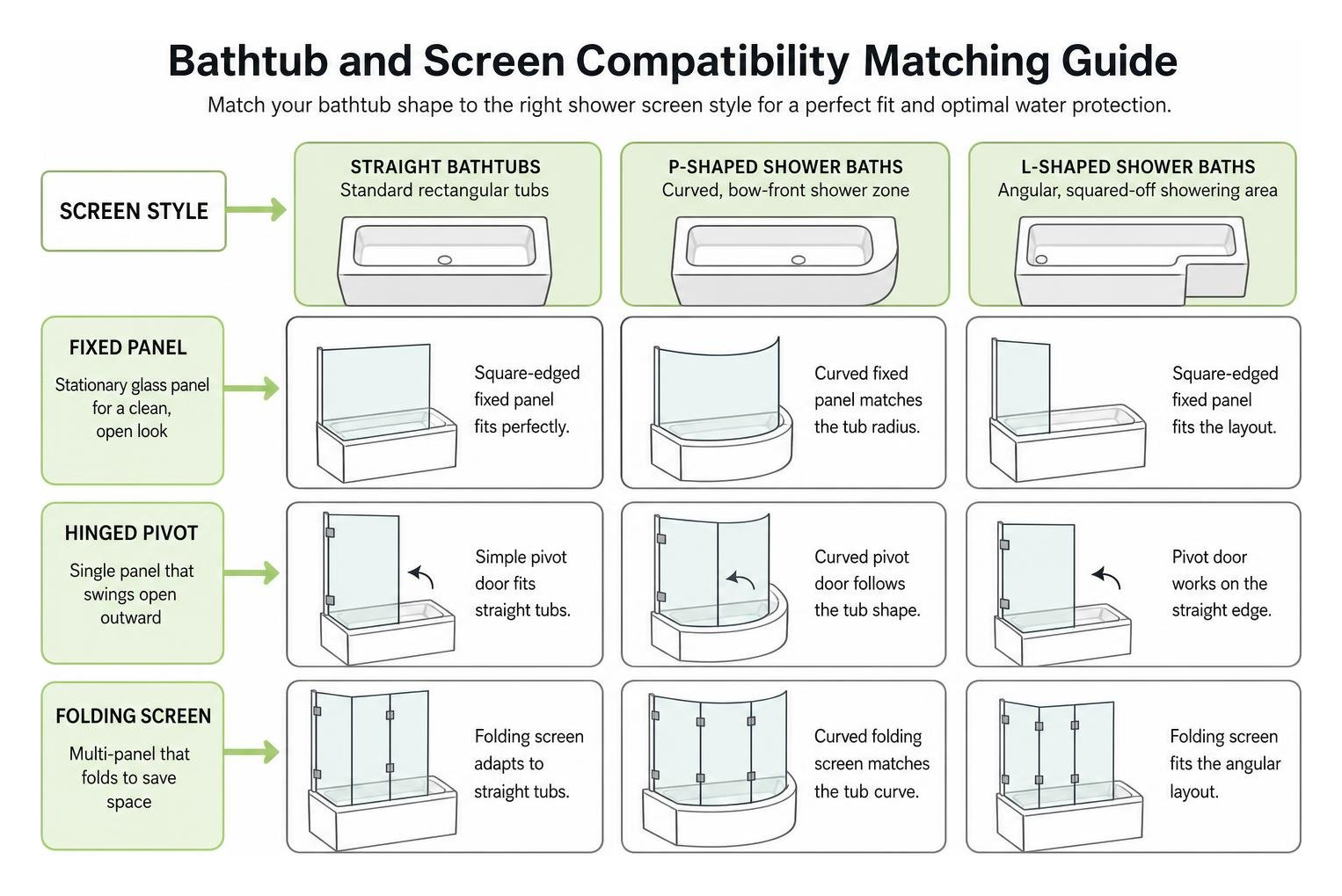
- Straight Bathtubs: Standard rectangular tubs pair effortlessly with square-edged fixed panels, simple pivot doors, or multi-panel folding screens.
- P-Shaped Shower Baths: These bathtubs feature a curved, bow-front shower zone. They require dedicated curved glass panels engineered to match the exact radius of the tub lip for optimal water deflection.
- L-Shaped Shower Baths: These models feature an angular, squared-off showering area that demands crisp, square-edged screens. Adding bath shower screen extension panels can lengthen your splash coverage and keep your floor dry without obstructing your entry path.
Fixed Panels, Hinged Pivots, and Folding Screens
Bathroom floor space dictates how your screen should operate:
- Fixed Panels: Stationary glass panels stay anchored along the tub rim. They eliminate moving parts, providing dependable splash protection for standard showers.
- Hinged & Pivot Doors: These screens swing inward and outward from wall-mounted or glass-to-glass hinges. They provide wide access for bathing kids or cleaning the tub, provided your vanity or toilet does not block the swing path.
- Bi-Fold & Multi-Fold Screens: Ideal for tight spaces, these panels fold accordion-style against the wall. If you are managing a tight footprint, exploring our small bathroom 500mm glass shower screen guide will give you plenty of space-saving inspiration.
Sliding Doors and Corner Enclosures
For straight wall-to-wall alcoves or open corner bathtubs, sliding systems provide smooth operation without encroaching on bathroom floor space. Top-hung rollers glide effortlessly along overhead tracks, providing generous walk-in entry widths.
If your bathtub sits exposed on two sides, evaluating whether a bath shower screen with return panel is worth it can help you decide on the right configuration. A perpendicular fixed return creates a fully enclosed showering zone that stops corner leaks for good.
Choosing Glass Specifications, Hardware, and Modern Finishes
Safety and durability start with proper glass specifications. Architectural glass must meet rigorous safety standards, such as those outlined in federal architectural glazing codes under 16 CFR Part 1201. Tempered safety glass undergoes extreme thermal processing, making it significantly stronger than standard annealed glass and causing it to break into small, granular chunks if damaged.
| Glass Thickness | Typical Applications | Weight Profile | Hardware & Structural Needs |
|---|---|---|---|
| 3mm – 4mm | Fully framed budget screens | Lightweight | Full aluminum perimeter frame required |
| 6mm | Semi-frameless pivot and sliding units | Moderate weight | Standard wall channels and pivot hinges |
| 8mm | Semi-frameless and frameless hybrid screens | Substantial weight | Heavy-duty wall brackets and reinforced tracking |
| 10mm | Premium fully frameless doors and panels | Heavy | Solid brass clamps, heavy-duty hinges, structural support bars |
Hardware finishes tie your bathroom design together:
- Chrome: Timeless, reflective, and naturally resistant to corrosion.
- Matte Black: Bold, industrial, and dramatic. It creates strong architectural lines that pair beautifully with modern tile.
- Brushed Brass & Gold: Warm and luxurious, providing an upscale designer finish.
- Brushed Nickel & Gunmetal: Muted, elegant tones that hide fingerprints and water spots effortlessly.
Functional Add-Ons and Easy-Clean Glass Coatings
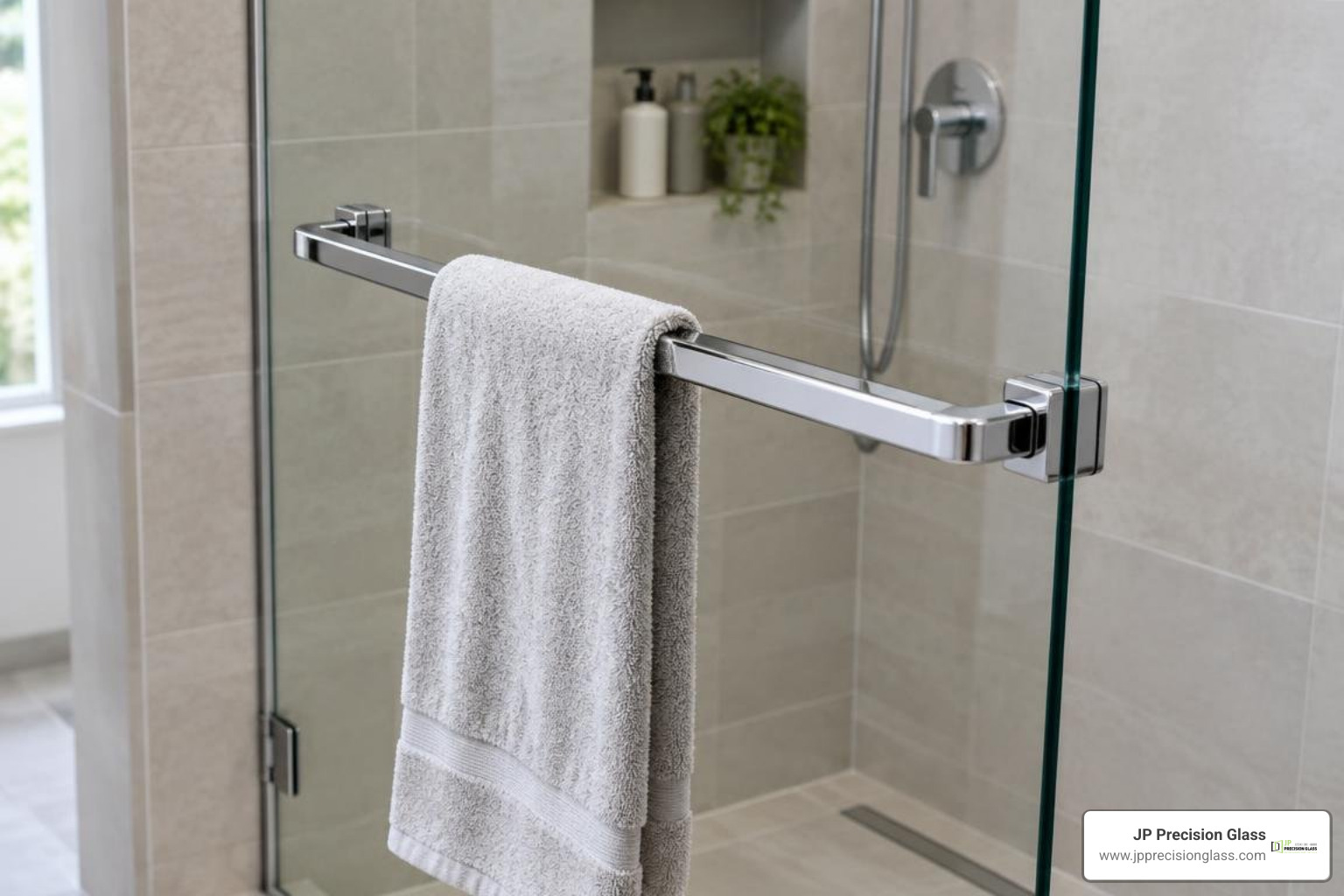
Modern screens offer thoughtful convenience features. Selecting the right shower glass hardware and accessories can elevate daily routines.
- Integrated Towel Rails: Surface-mounted horizontal bars let you reach your towel without stepping onto cold tile.
- Hydrophobic Factory Coatings: Invisible, water-repellent treatments seal microscopic glass pores, forcing water and soap scum to bead up and roll away.
- Soft-Close Dampers: Hydraulic sliding mechanisms catch moving panels near the frame edge to prevent slamming and protect the glass edges.
Essential Installation and Sizing Considerations
A watertight fit depends on accurate measurement and proper wall channel alignment:
- Three-Point Measurement: Measure the opening width at the top, middle, and bottom of the tub rim. Always use the smallest dimension when ordering standard stock sizes.
- Accounting for Out-of-Plumb Walls: Very few bathroom walls are perfectly square. High-quality screens use adjustable wall profiles that offer 10mm to 25mm of internal play to compensate for leaning tiles without leaving gaps.
- Watertight Bottom Seals: Flexible vinyl and rubber deflector strips channel water inward off the bottom glass edge.
- Silicone Placement: Apply structural silicone exclusively along the outside perimeter of the wall channel and bottom rail. Sealing the inside traps water inside the frame, causing mold growth and leaks over time.
Comparing different bath shower doors and installation styles will help you determine whether your layout is suitable for a DIY installation or requires custom measurement and professional fitting.
Delivery, Warranty Coverage, and Return Policies
Glass panels require careful handling during transport. Always inspect cartons upon delivery for edge chips or cracked corners before signing the freight manifest.
Review manufacturer warranties thoroughly; reputable suppliers offer multi-year coverage on glass panels, rollers, and hinge mechanisms. Make sure you understand the return policies as well, since modified or installed glass products generally cannot be returned.
Frequently Asked Questions About Bath Shower Screens
Can a bath shower screen be installed on any standard bathtub?
Most straight, L-shaped, and P-shaped bathtubs made from reinforced acrylic, enameled steel, or cast iron can accommodate a glass screen. The tub must have a flat, level top rim at least 50mm wide to support the bottom seal and hardware track securely. Roll-top freestanding tubs with curved rims require specialized freestanding enclosures instead.
How do I prevent leaks around the bottom of a bath screen?
Ensure your bottom vinyl sweep or magnetic deflector seal is seated tightly against the glass and slopes toward the inside of the tub. Periodically wipe mineral buildup off the seal and replace the vinyl strip every couple of years as it wears out. Never caulk the bottom sweep directly to the tub rim on movable pivot doors.
What is the ideal glass thickness for family bathroom safety?
For everyday family bathrooms, 6mm or 8mm toughened safety glass provides the ideal blend of durability, weight, and structural stability. While 3mm or 4mm framed screens work well for guest bathrooms, thicker 6mm to 10mm glass stands up to heavy daily use and accidental impacts much more reliably.
Conclusion
A well-chosen bath shower screen keeps your bathroom floor dry, brightens your interior, and adds lasting value to your home. By matching your bathtub’s shape to the right panel configuration, choosing durable tempered safety glass, and ensuring proper seal alignment, you can enjoy a dependable, low-maintenance shower setup for years to come.
If your bathroom features non-standard dimensions, out-of-plumb walls, or you simply want a flawless custom finish, we are here to help. Explore our collection of premium custom glass shower panels and let our expert team design and install a tailored glass enclosure that elevates your home.